Paralympian. Amputee. Coach.
Helping you rebuild not just your body — but your sense of self.
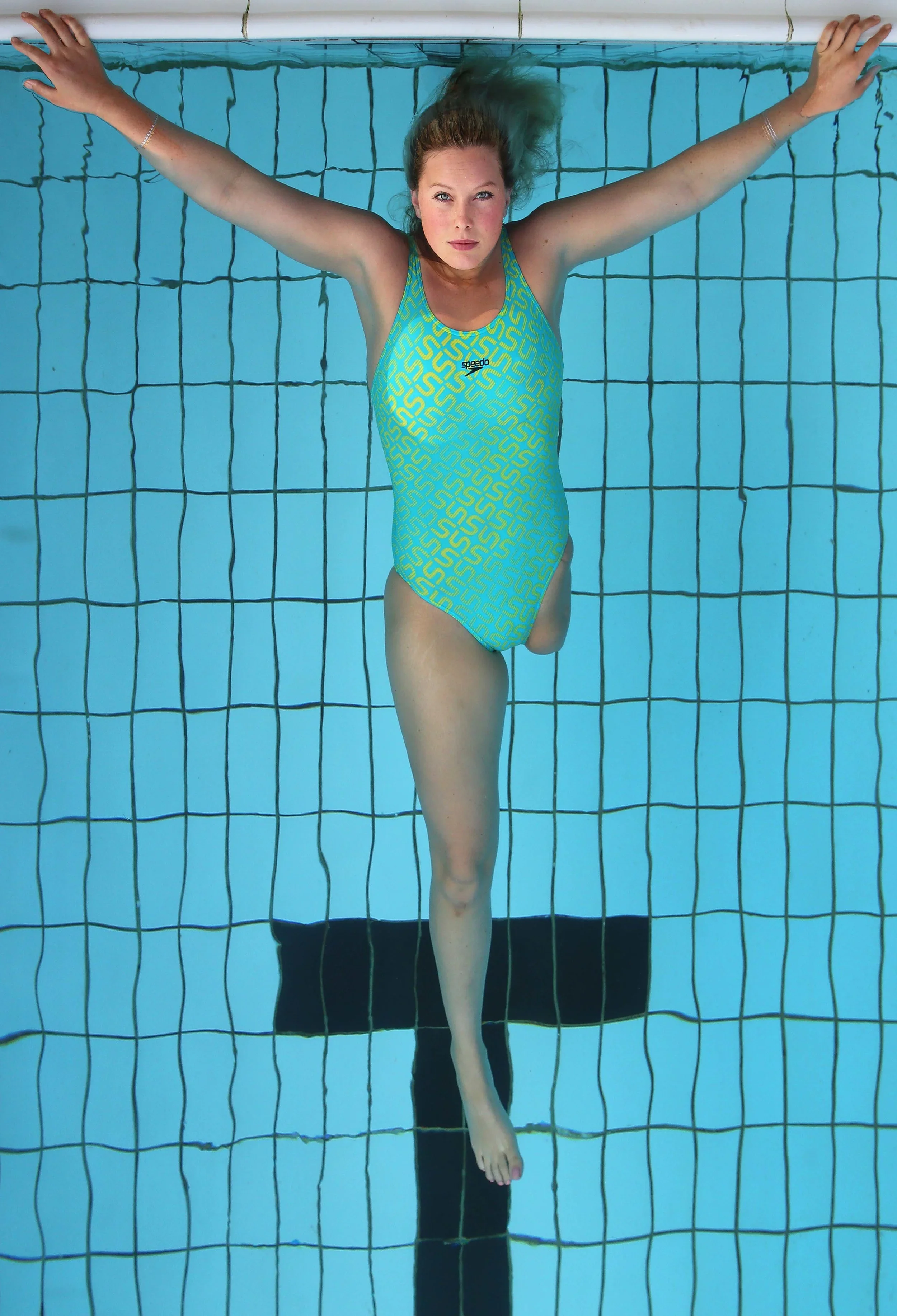
Amputation saved my life. But it also changed it in ways that took years to understand — and even longer to find the right support for.
I have lived this. From diagnosis to the Paralympic podium — and everything in between.
At 11 years old, I lost my left leg to osteosarcoma — an aggressive form of cancer in my femur. I was an active, competitive kid who loved being outdoors. Suddenly I was navigating chemotherapy, surgery, and a future that looked completely different from the one I had imagined.
Amputation saved my life. But it also changed it in ways that took years to understand.
The physical recovery was only one part of it. What felt harder — and what no one really prepared me for — was the internal shift. I did not know another amputee. I did not know what adulthood would look like for someone like me. I did not know what I was still capable of.
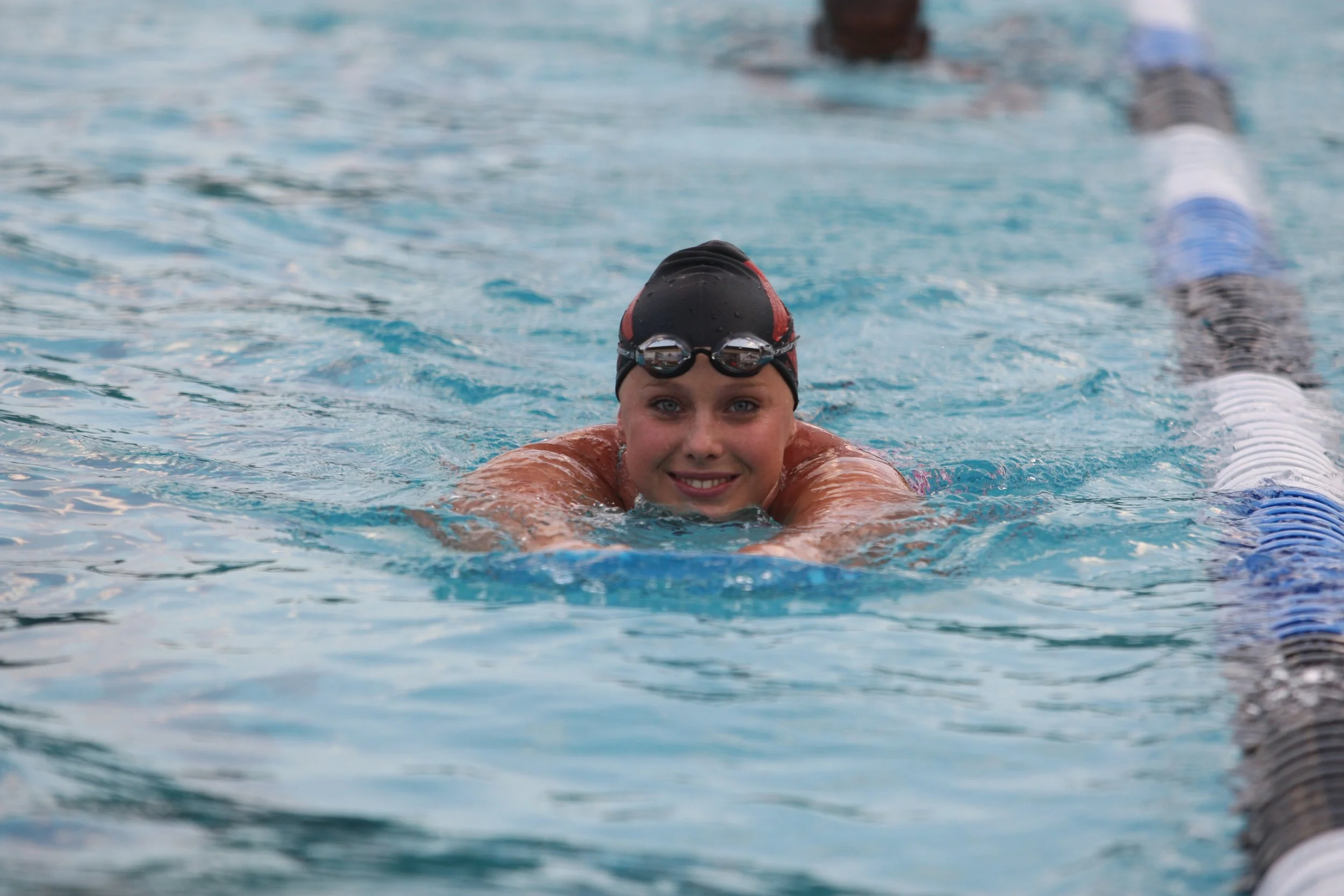
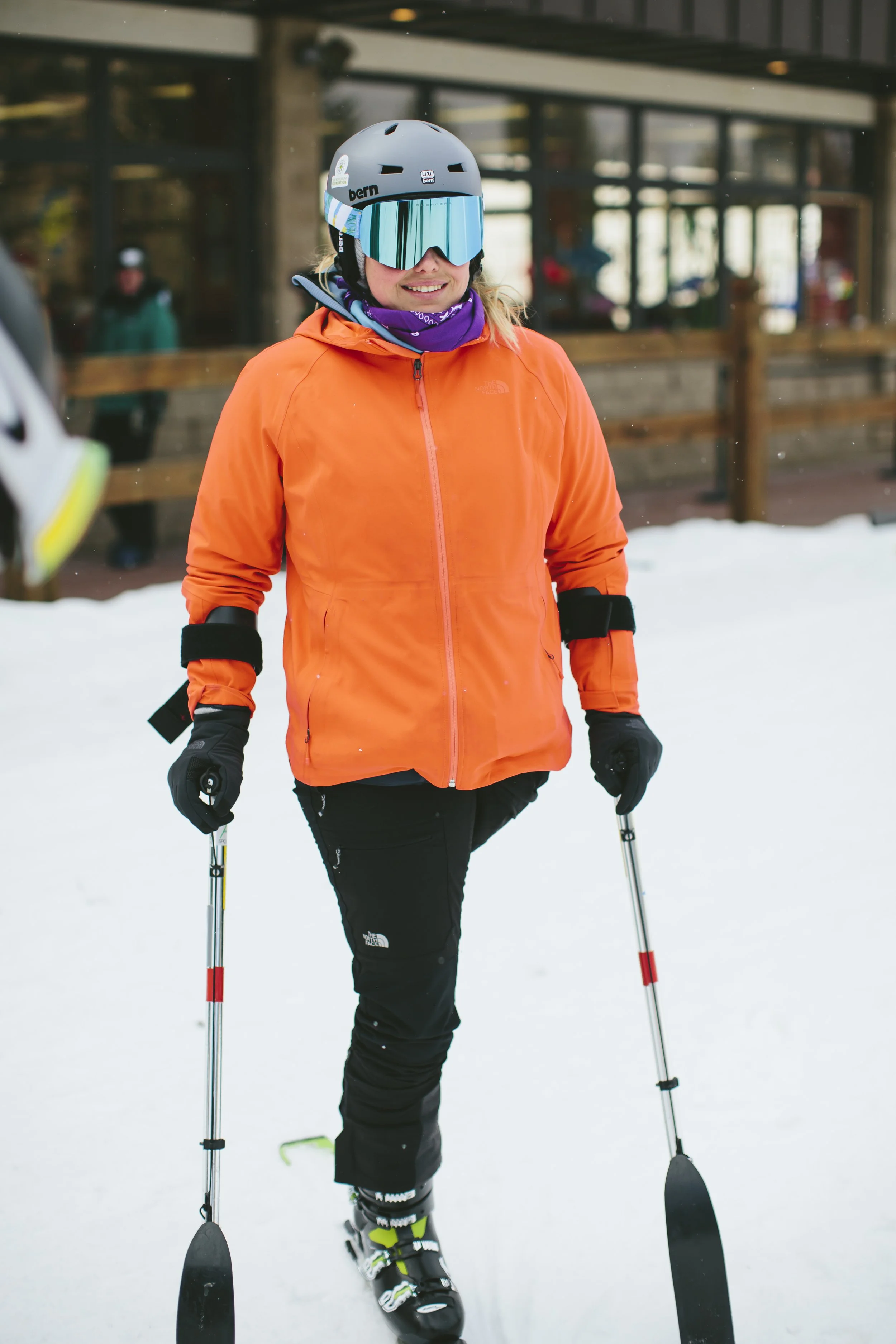
Over time, I found swimming. It began as rehabilitation, but it became much more than that. The water gave me freedom. It gave me a way to compete again. It helped me rebuild confidence in a body I was still learning to accept. That path led me to compete for South Africa at the 2008, 2012, and 2016 Paralympic Games.
Sport became a central part of how I rebuilt myself. Not because it was inspirational, but because it was practical. Training required discipline. Racing required resilience. Losing required perspective. It shaped how I approached challenges far beyond the pool.
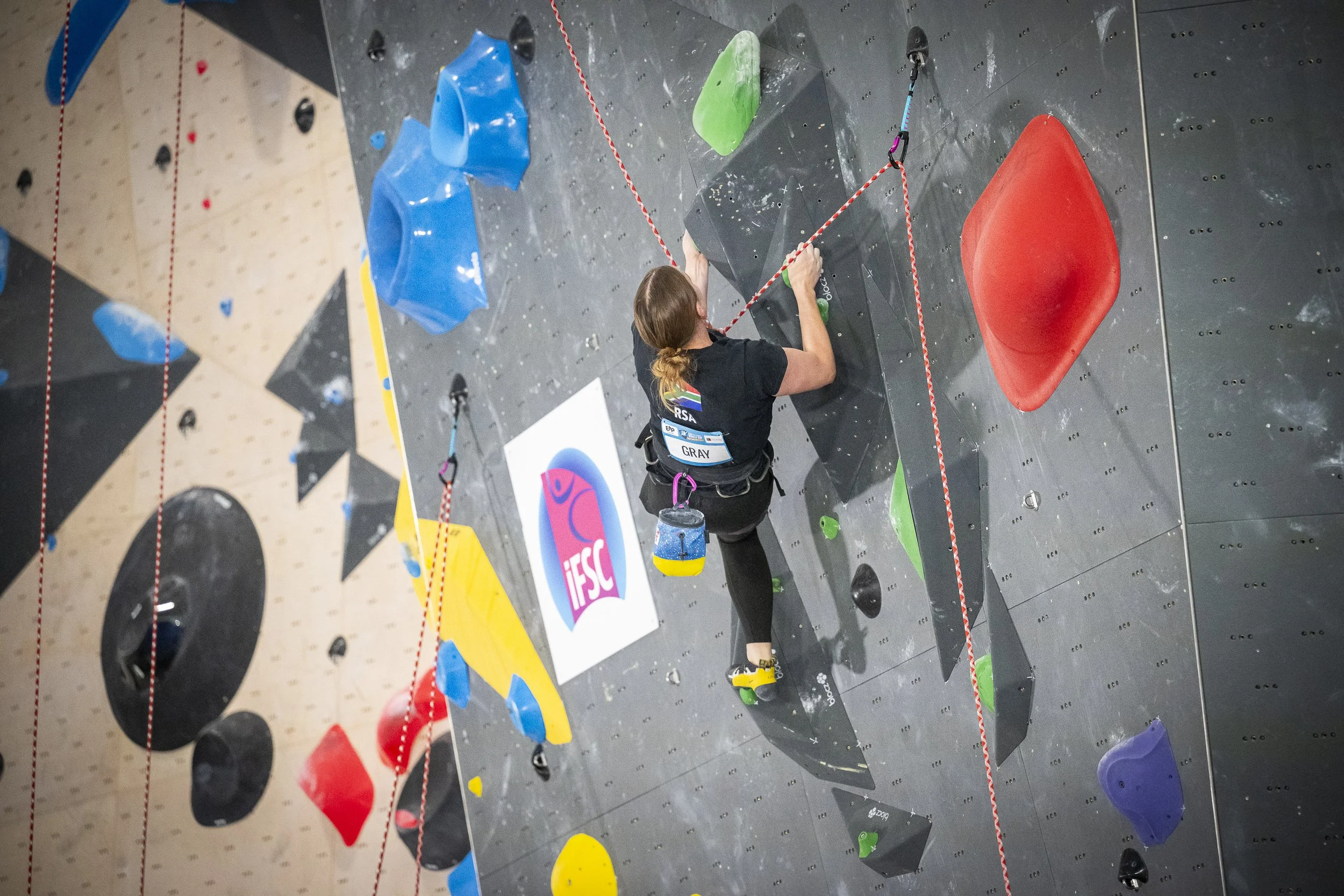
Later, I moved to the United States and began a new chapter. I stepped away from swimming and, years later, found rock climbing. Starting over in a new sport as an amputee — especially after competing at the Paralympic level — was humbling. I was a beginner again. But that process reminded me why I value sport so deeply. It is not about medals. It is about growth.
Today, I am training toward the LA 2028 Paralympic Games in para climbing. The goal is ambitious, but the process is familiar: consistent work, setbacks, adjustments, and steady progress.
What I hear most often from amputees is not about prosthetics or technique. It is about identity. Confidence. Uncertainty. Amputation changes how you move — but it also changes how you see yourself. And very few people talk about how to rebuild that.
Every journey to the summit
looks different
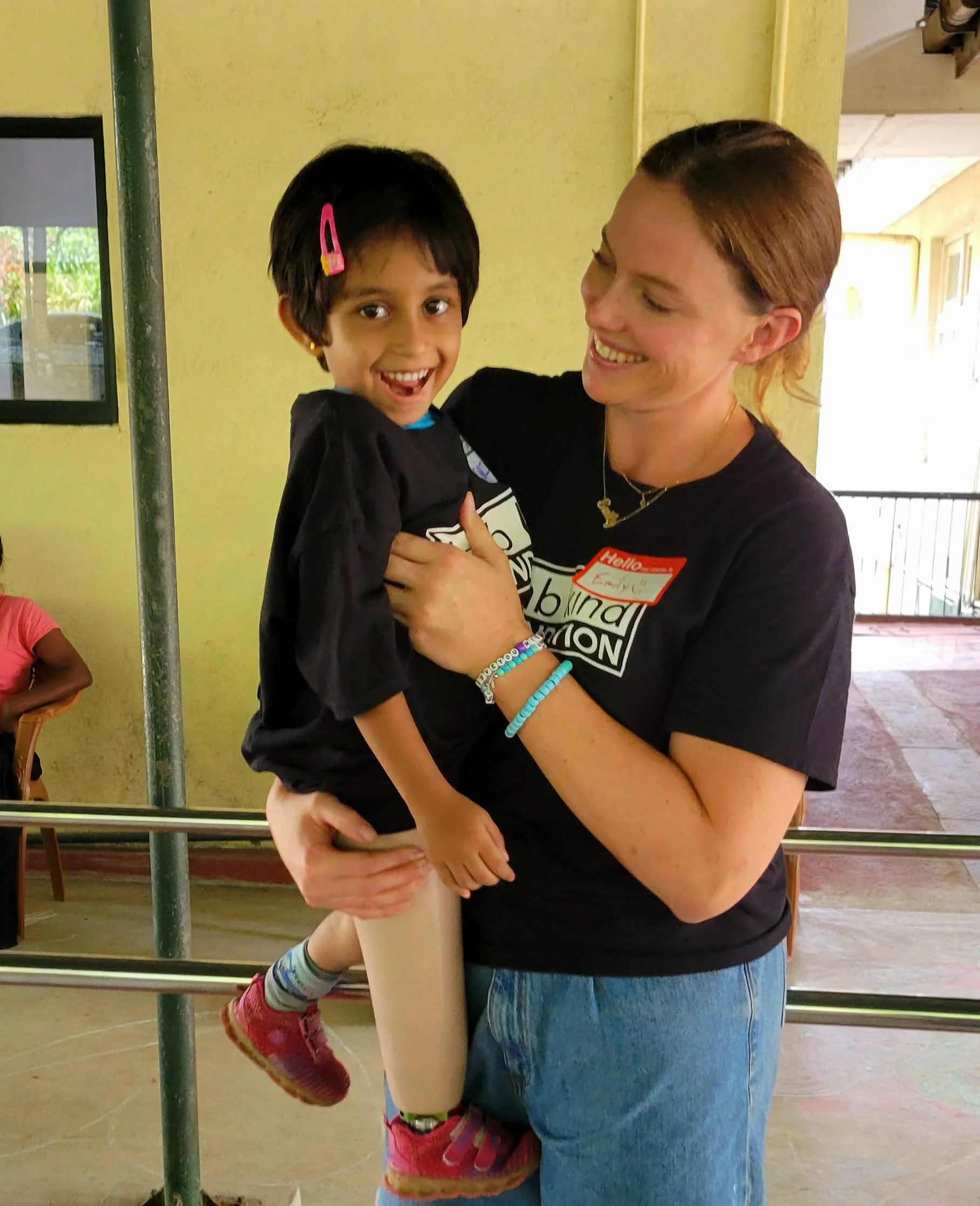
Alongside my athletic career, I earned a degree in Sport Science and have worked with adaptive athletes across different organizations. Over the years, I have had countless conversations with amputees navigating their own transitions — some before surgery, some newly amputated, others years into their journey but feeling stuck.
Medical teams focus on survival. Rehabilitation focuses on mobility. Both are essential. But very few people talk about how to rebuild your sense of self — or how to move forward with structure and clarity. That gap is why I started coaching.
My work is grounded in lived experience, sport science, and high-performance environments. It is not therapy and it is not motivational speaking. It is honest, practical guidance for people who are ready to engage in the rebuild.
Whether that means returning to sport, building confidence in daily life, or redefining what performance looks like for them — the process is the same: clear goals, consistent work, and the kind of support that accounts for the whole person, not just the physical one.
I became the coach I wish I had. And this work is built on everything I have learned — as an athlete, as an amputee, and as someone who has had to figure out what comes next more than once.
What I Help With
Identity & Self-Worth
1
Amputation changes how we see ourselves — and how we fear others see us. We work together to rediscover and rebuild a confident, grounded sense of who you are beyond your diagnosis.
Emotional Navigation
2
Grief, anger, relief, uncertainty — these are all valid and normal. I help you process the emotional complexity of limb loss without judgment, and move through it with clarity and intention.
Social Reintegration
3
Returning to relationships, work, and community after amputation brings its own challenges. We develop strategies that help you show up fully — on your terms, at your pace.
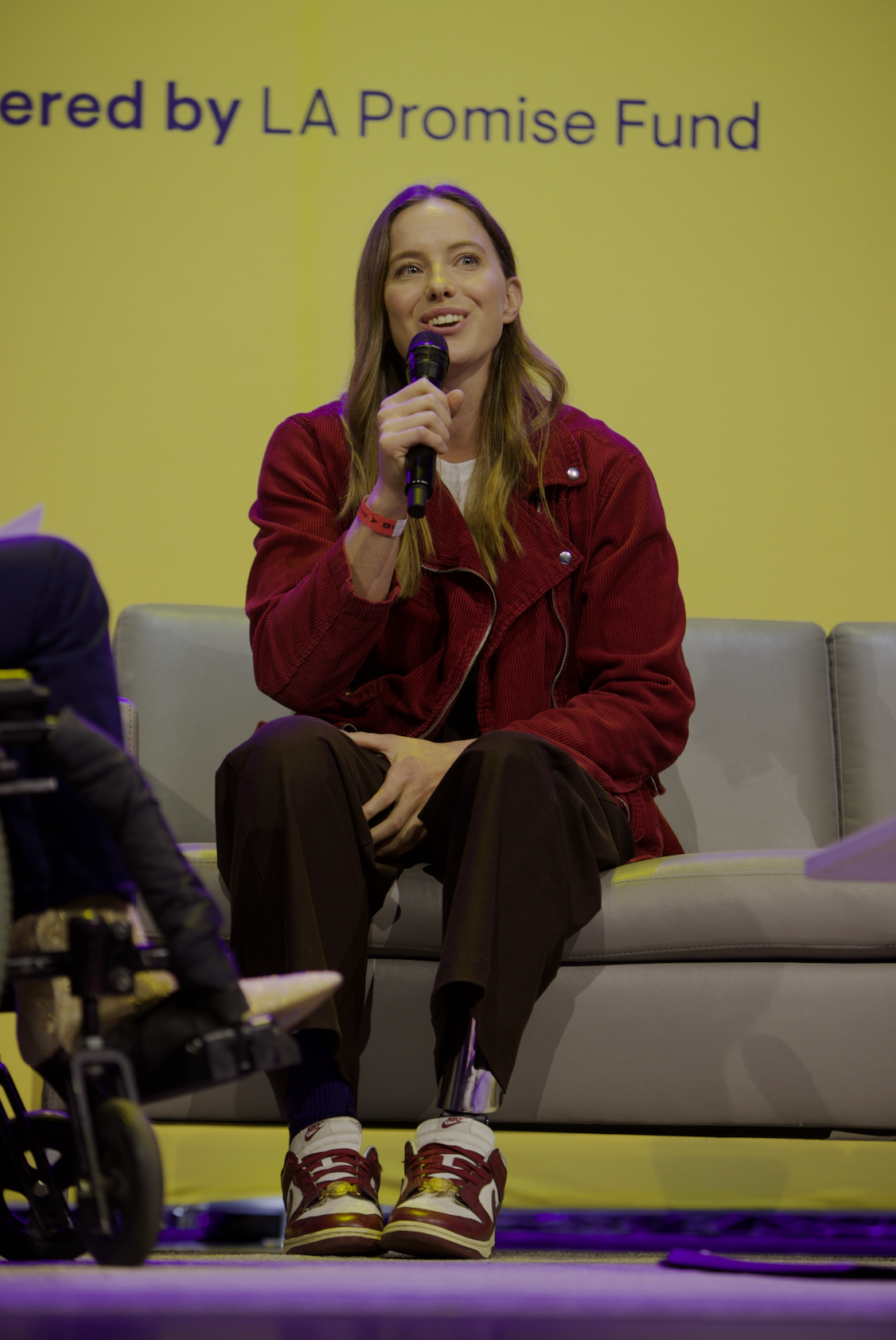
You are not starting over.
You are starting from here.
Transition does not have an expiration date. Whether you are newly post-surgery, months into recovery and feeling stuck, or years down the line and realising there are still pieces of yourself you have not reclaimed — this work is for you.
I do not offer platitudes or generic motivational advice. What I offer is a framework built specifically for amputees, grounded in lived experience and sport science, that meets you exactly where you are and helps you move forward with purpose.
Every amputee deserves not just to survive limb loss, but to build a life on the other side that is rich, intentional, and fully their own. That is what I am here to help you do.